Common Fly Species in the Philippines | M.G. Brondial Pest Control Services
Flies are among the most common pests affecting homes and businesses in the Philippines. Beyond being a nuisance, flies pose serious health risks as they can carry bacteria and contaminate food, surfaces, and living spaces.
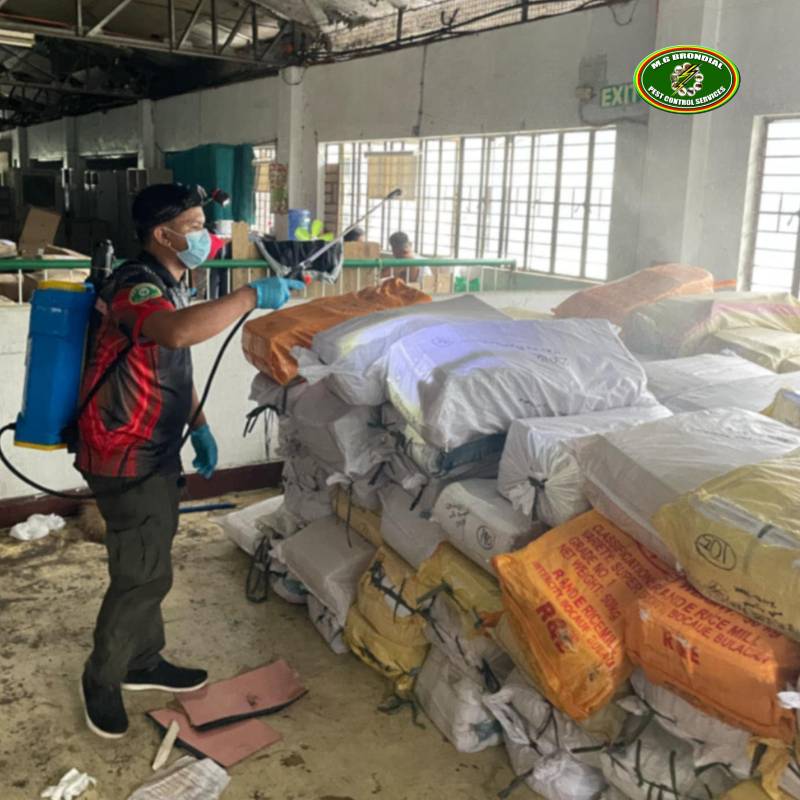
At M.G. Brondial Pest Control Services, we specialize in identifying and controlling different fly species using safe, effective, and targeted pest management solutions.
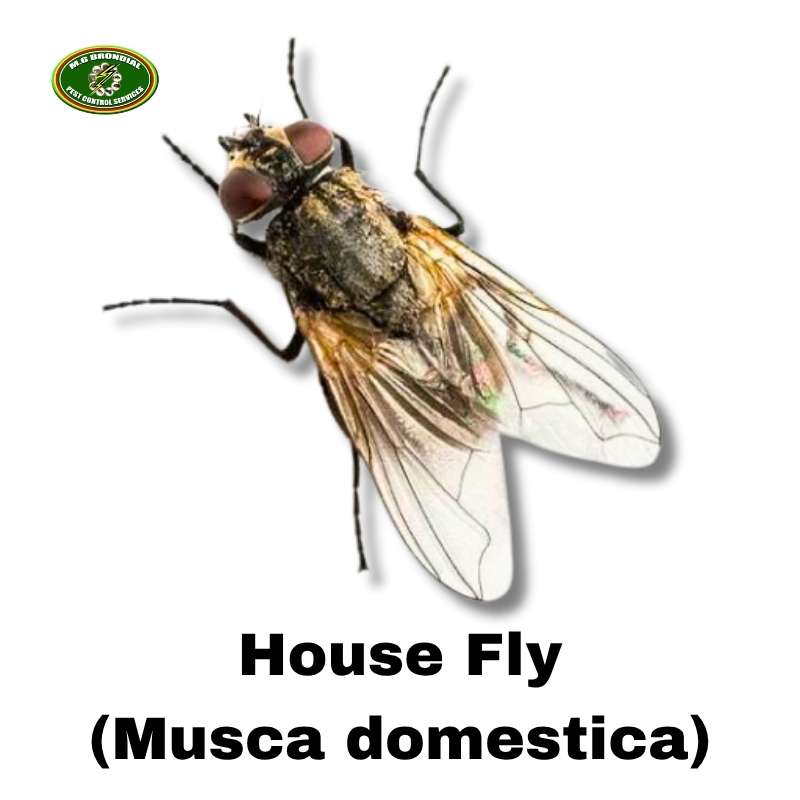
House Fly (Musca domestica)
by M.G. Brondial Pest Control Services
The house fly (Musca domestica) is one of the most common and widespread pests found in homes and businesses throughout the Philippines. Known for its rapid reproduction and strong attraction to food and waste, this species is a major concern for both sanitation and public health.
House flies are typically gray in color, with four dark stripes on their thorax and a body length of about 6–7 mm. They are highly active during the daytime and are commonly seen resting on walls, ceilings, food surfaces, and garbage areas.
Habits and Behavior
House flies are attracted to:
- Decaying organic matter
- Garbage and waste bins
- Food preparation areas
- Animal waste and drains
Because they feed and breed in unsanitary environments, they can easily transfer bacteria and pathogens to food and surfaces, increasing the risk of contamination.
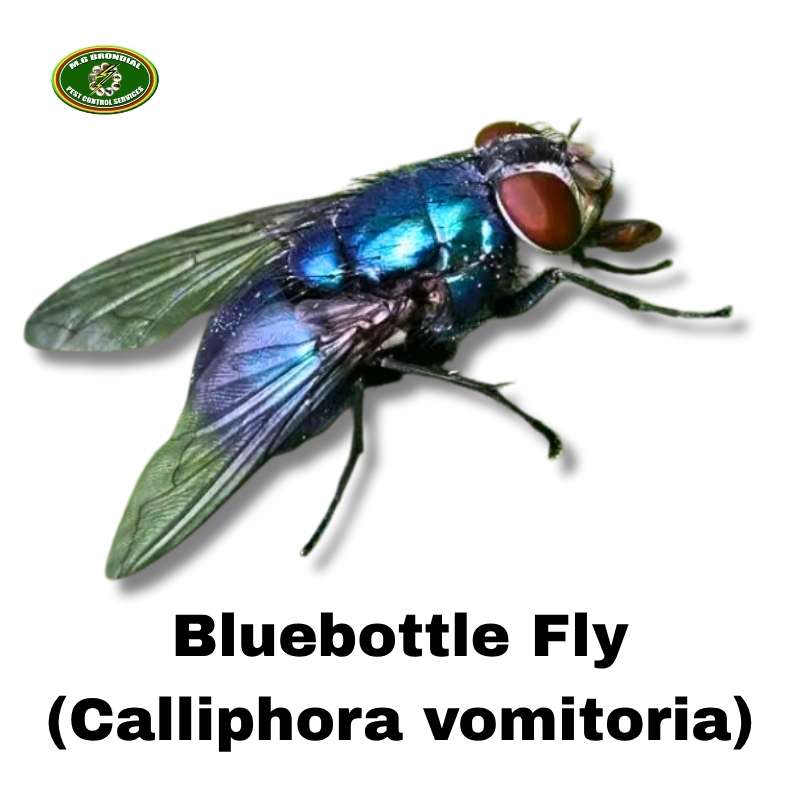
Bluebottle Fly (Calliphora vomitoria)
by M.G. Brondial Pest Control Services
The Bluebottle Fly (Calliphora vomitoria), also known as a blow fly, is a common pest in both residential and commercial areas in the Philippines. It is easily recognized by its metallic blue body and slightly larger size compared to the common house fly.
This species is highly attracted to decaying organic matter, including garbage, dead animals, and spoiled food, making it a serious concern for sanitation and hygiene.
Habits and Behavior
Bluebottle flies are commonly found in:
- Garbage disposal areas
- Markets and food establishments
- Slaughterhouses and meat processing areas
- Areas with decaying organic waste
They are strong fliers and are often among the first insects to locate and infest decomposing materials.
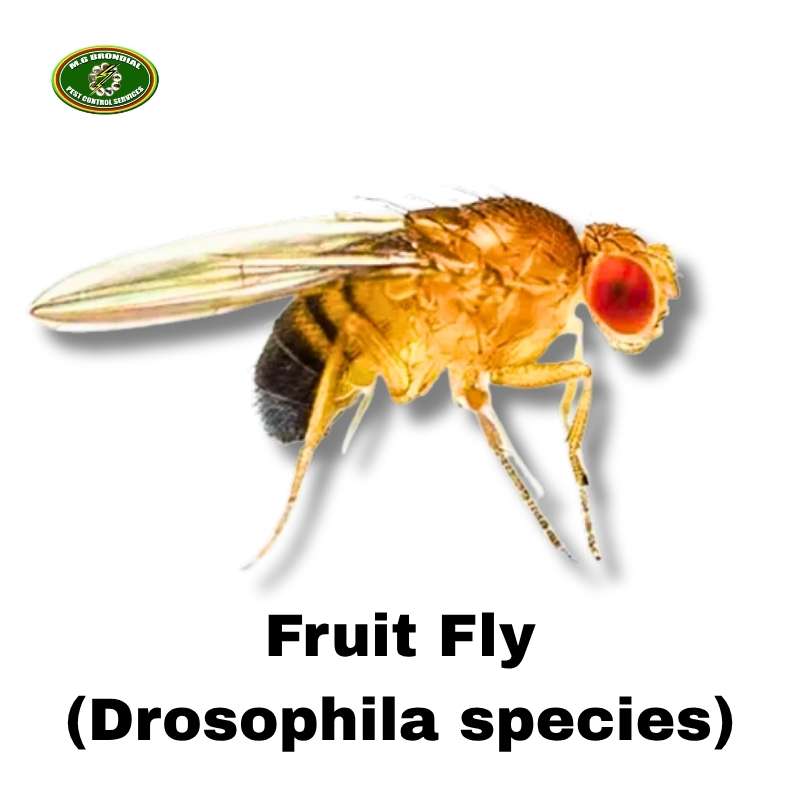
Fruit Fly (Drosophila species)
by M.G. Brondial Pest Control Services
The Fruit Fly (Drosophila species) is a small but persistent pest commonly found in homes, restaurants, and food-related businesses across the Philippines. Despite their tiny size, fruit flies can quickly become a major nuisance due to their rapid breeding and strong attraction to ripened or fermenting food.
They are typically light brown to tan in color, with distinct red eyes, and measure about 2–4 mm in length.
Habits and Behavior
Fruit flies are highly attracted to:
- Overripe or rotting fruits and vegetables
- Sugary liquids and spilled beverages
- Fermented products (vinegar, शराब, juices)
- Garbage bins and drains
They are often seen hovering around kitchens, food storage areas, and trash containers, especially in warm environments.
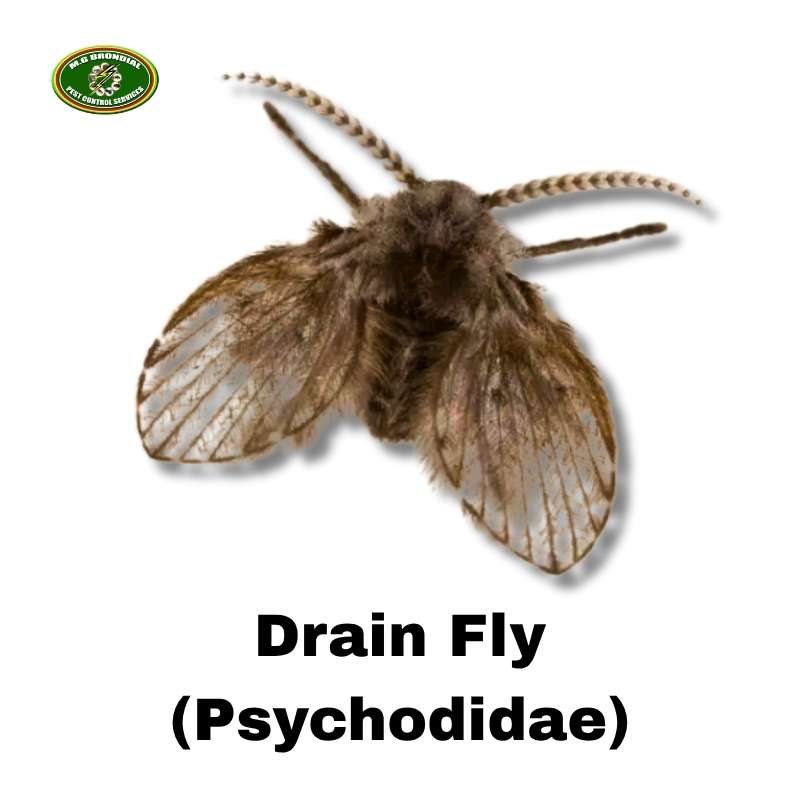
Drain Fly (Psychodidae)
by M.G. Brondial Pest Control Services
The Drain Fly (Psychodidae), also known as moth flies, are small insects commonly found in bathrooms, kitchens, and other damp areas in homes and commercial establishments across the Philippines. They are easily recognized by their tiny, fuzzy bodies and moth-like wings, often seen resting on walls near drains.
Although they are not strong fliers, their presence usually indicates underlying sanitation issues, particularly in moist and organic-rich environments.
Habits and Behavior
Drain flies thrive in areas with stagnant water and organic buildup, such as:
- Sink and floor drains
- Bathroom tiles and grout lines
- Sewer lines and grease traps
- Damp or poorly maintained plumbing systems
They are most active during the evening and tend to remain close to their breeding sites.
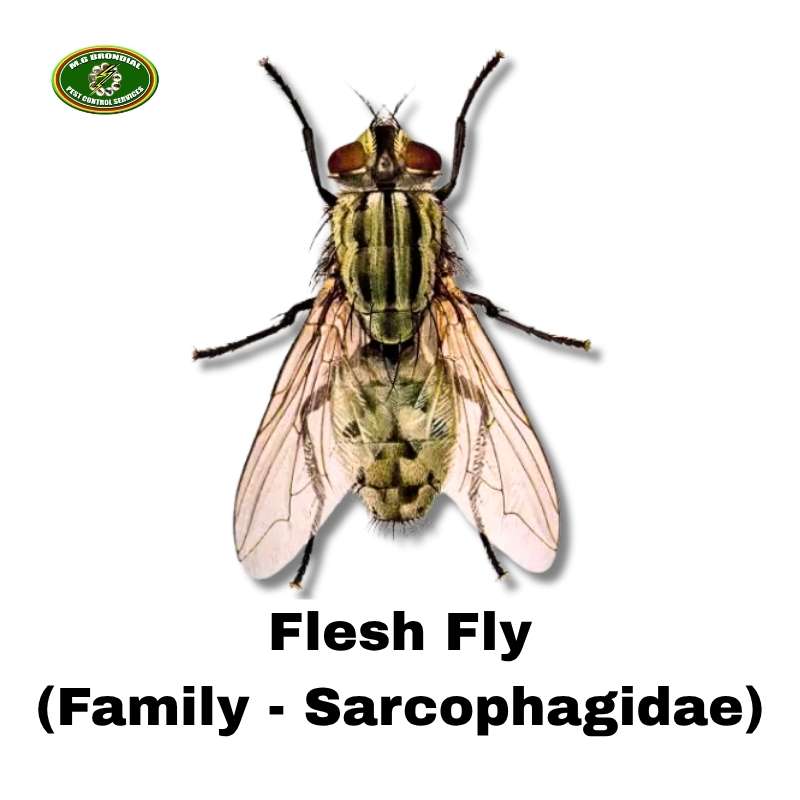
Flesh Fly (Family: Sarcophagidae)
by M.G. Brondial Pest Control Services
The Flesh Fly (Family: Sarcophagidae) is a common pest found in residential and commercial areas across the Philippines. These flies are typically gray in color with three dark longitudinal stripes on the thorax and a distinctive checkered pattern on the abdomen, making them easy to identify.
Flesh flies are strongly attracted to decaying organic matter, including animal carcasses, garbage, and exposed food, posing serious sanitation concerns.
Habits and Behavior
Flesh flies are commonly found in:
- Garbage and waste disposal areas
- Dead animals or decomposing organic matter
- Open food sources and markets
- Unsanitary environments and drains
Unlike many other flies, some flesh fly species give birth to live larvae (maggots) instead of laying eggs, allowing infestations to develop more rapidly.
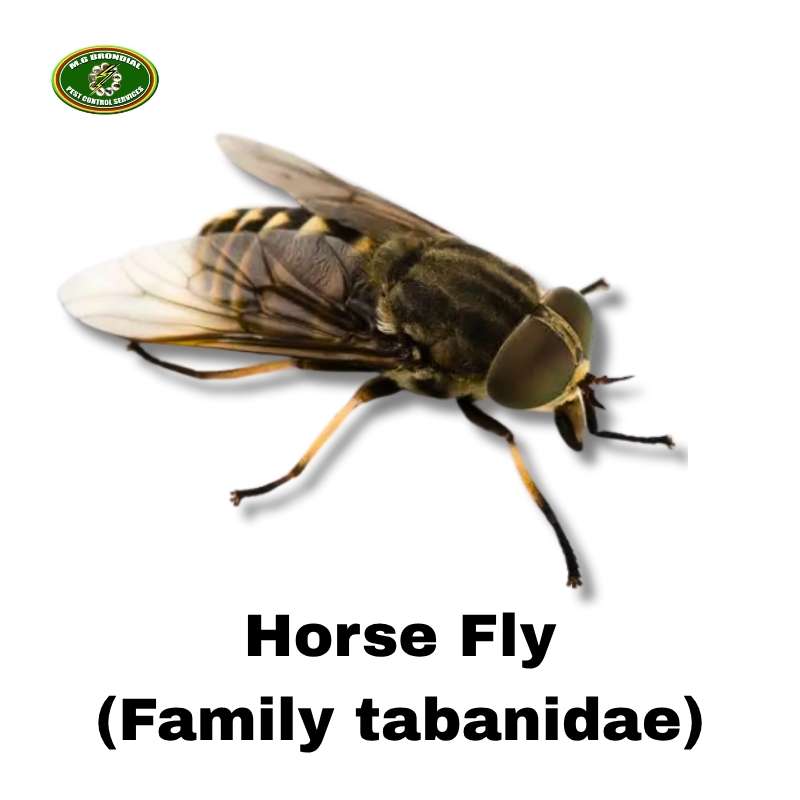
Horse Fly (Family: Tabanidae)
by M.G. Brondial Pest Control Services
The Horse Fly (Family: Tabanidae) is a large, biting fly commonly found in rural and agricultural areas in the Philippines. These flies are known for their strong flight, large eyes, and painful bite, which they use to feed on the blood of animals and, occasionally, humans.
Horse flies are most active during warm, sunny daytime hours, especially near livestock, farms, and areas with standing water.
Habits and Behavior
Horse flies are commonly found in:
- Farms and livestock areas
- Grasslands and open fields
- Near rivers, ponds, and marshy areas
- Outdoor environments with animals
Female horse flies require blood meals to reproduce, while males typically feed on nectar and plant juices.
Understanding Fly Behavior and Life Cycle
Effective fly control starts with proper identification. Each species has unique habits, breeding sites, and activity patterns. By understanding these factors, we can apply the most efficient and long-lasting pest control treatments.
FACT: The average adult housefly lives for about 30 days and undergoes a complete life cycle consisting of:
Under ideal conditions, flies reproduce rapidly, making early intervention critical.
Our Fly Control Solution
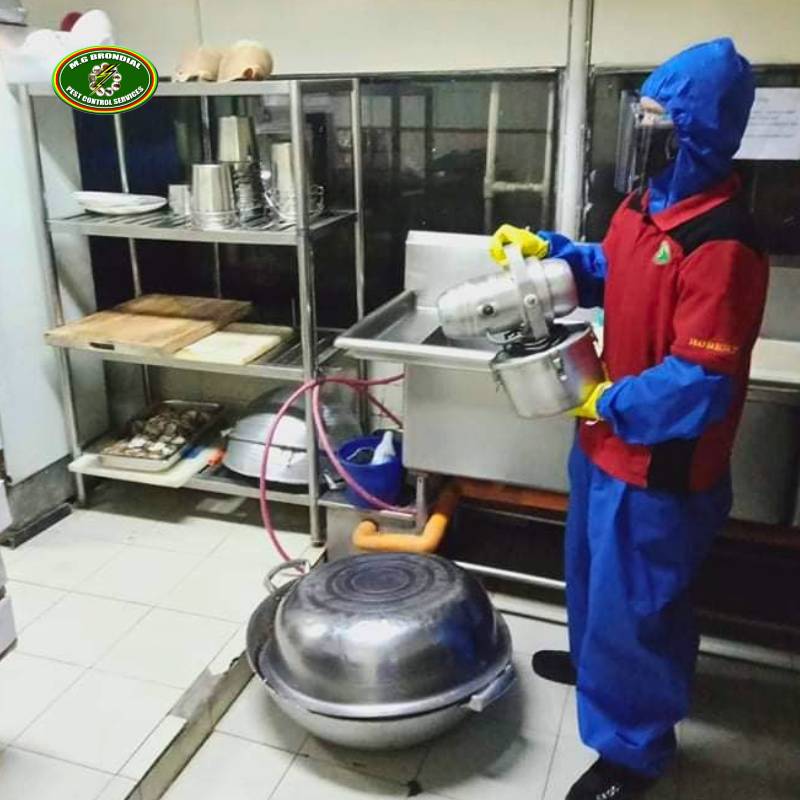
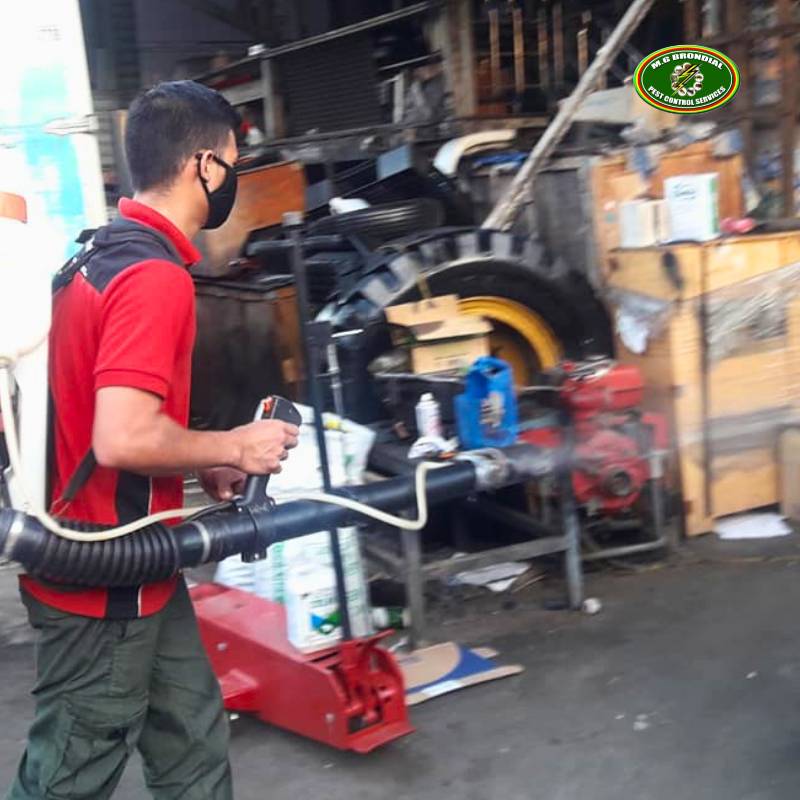
At M.G. Brondial Pest Control Services, we provide:
- Professional inspection and species identification
- Targeted treatment based on infestation level
- Safe and effective control methods
- Preventive solutions to stop re-infestation
We ensure your home or business stays clean, safe, and fly-free.
Protect Your Space Today
Don’t let flies compromise your health and comfort. Trust M.G. Brondial Pest Control Services for reliable and professional pest control solutions in the Philippines.
👉 Contact us today for inspection and treatment services. Contact Us